Color Like Background: Beyond the Obvious
Most designers see "Color Like Background" as a technical specification—a hex code, a CMYK value, a layer setting. It's the canvas, the negative space, the silence between notes. But what if we flipped that perspective? What if "Color Like Background" wasn't a default, but a deliberate, powerful design choice? This approach treats the background not as an absence, but as a foundational element with its own personality, texture, and narrative. It's about making the stage as compelling as the performance. This mindset is crucial for creating cohesive brand identity, impactful editorial design, and memorable packaging design.
The Texture of Intention: Crafting a Signature Backdrop
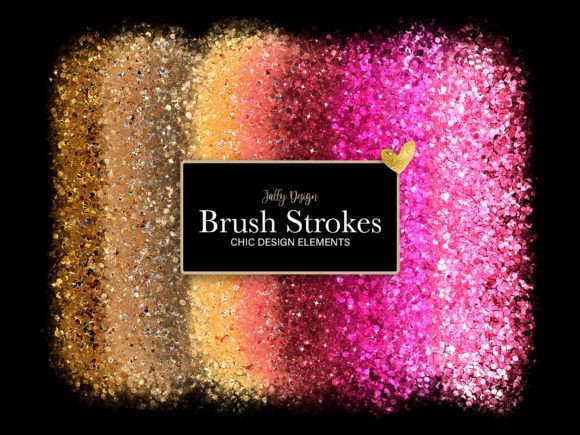
When we design a greeting card, brochure, or t-shirt, the background sets the entire emotional tone. A soft, off-white linen texture for a wedding card feels fundamentally different from a gritty, recycled paper stock for a band poster. This is where "Color Like Background" evolves from a color into a character. Consider the warmth of a wrapping paper with a subtle, hand-pressed pulp texture. It communicates care and tactility before a single word is read. Similarly, an abstract texture for a banner or poster background can imply movement, energy, or calm. A swirling watercolor wash on a magazine cover draws the eye inward, creating depth and intrigue. This isn't just a fill; it's a strategic layer of visual information that supports your typography and imagery.
Practical Applications: Where Texture Becomes Tangible
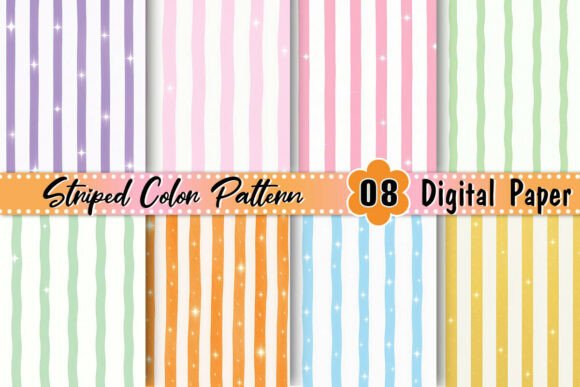
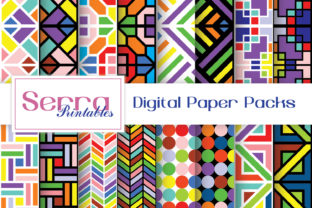
The true test of any design asset is its performance across mediums. A textured background that looks stunning on screen must translate to physical products. For textile fabric like a bedsheet, pillow cover, or fashion tie, the background pattern must be scalable and seamless. A small, subtle geometric texture can become a sophisticated, all-over pattern for a curtain or bandana. For print-on-demand projects like ceramic tiles, sticker, or wallpaper, the resolution and color consistency are paramount. A poorly chosen background can look muddy or pixelated when printed. Always request a physical proof or a high-fidelity digital mockup. Think about the end product's use: a wedding card needs elegance, while a flyer or calendar might benefit from a more energetic, textured backdrop that ensures text remains highly legible.
Strategic Pairing and Professional Execution
Choosing the right "Color Like Background" is only half the battle. The real art lies in pairing it with typography. A bold, modern sans serif font can cut through a noisy, textured background with clarity, while a delicate script font or handwritten font might get lost. This is where understanding font pairing becomes essential. Your background texture informs your typeface choice. For a brand identity built on tradition and reliability, pairing a subtle parchment texture with a classic serif font creates instant credibility. For a tech startup's social media graphics or web design, a clean, geometric pattern paired with a sleek sans serif font projects innovation. Always test your combinations at the final output size. What looks balanced on a large monitor may become an illegible mess on a small digital paper or sticker. Evaluate your project's core need: is it to inform, to delight, to persuade? Let that goal guide your texture and type selection.
A Final Note on Licensing and Consistency
When sourcing these textured backgrounds or premium font assets, commercial licensing is non-negotiable. Whether you're a small business owner designing product packaging or a publisher creating a brochure, ensure you have the rights for your intended use. This protects your project and supports the creators of these valuable design assets. Ultimately, treating "Color Like Background" as a primary design element—rather than an afterthought—elevates your work. It adds a layer of professionalism and sensory depth that flat, empty space cannot achieve. It turns every greeting card, every poster, every textile print into a more complete and engaging experience for your audience.